
Reflections on Working with Arvo Pärt
I first encountered Arvo Pärt’s work as a young student in Vienna at the beginning of the 1980s. In those years of youthful revolt, in which it seemed almost a given that everything should be turned on its head, I was already gaining the sense that another form of order was possible: an order that seemed organic, not constructed or imposed from the outside, but one that legitimised itself. At the time, of course, I could have had no idea that this particular composer would one day play a significant role in my life.
Many years later, in 1994, I was offered a leading role in the music publishing house whose composers had so fascinated me in my youth and who would continue to accompany me for decades: Universal Edition, known in the branch as UE. Suddenly, it was my job to convey the genius of composers like Alban Berg, Kurt Weill, Alexander Zemlinsky, Béla Bartók, Luciano Berio, Pierre Boulez, Wolfgang Rihm and many others to all the people who could put their work on to the programmes of concert halls and opera houses the world over – or who at least needed persuading to try.
Among those numerous illustrious names of the 20th century was Arvo Pärt. The fact that our paths should cross again in this manner could hardly be a coincidence.
Still, I considered it right and proper not to let my professional conduct be all too visibly influenced by the enthusiasm I’d felt for Pärt’s music since my student years. I made an effort to display a veneer of businesslike reserve. And yet it did not escape Arvo Pärt’s notice that this new employee at his publishing house was following his work with great attention and dedication – and, evidently, this had come at exactly the right time.
One of the jobs of a music publishing house is to encourage and enable performances. Professional, practice-orientated catalogues of works provide information about which works are available for public performance and in which version. An up-to-date catalogue of works for Arvo Pärt was desperately needed at the time, and I offered to make one. The work on that project first brought me into close contact with Arvo Pärt and his wife, Nora, as creating a catalogue of this nature involves far more than simply listing the titles of works – even if the result, to an outsider, looks like no more than that. The genesis of each individual work must be traced, the scores carefully checked and different versions compared with one another. Ultimately, the composer decides which of their works may be performed in which version, and which they would prefer to exclude from the current catalogue.
What began with the work on this first catalogue developed over the course of the years into an ever-deeper familiarity with Arvo Pärt’s oeuvre, with his thought processes and his very discreet manner of taking part in the international concert scene – or, it may equally be said, knowingly removing himself from it. The knowledge I gained through doing this grew continually and became a valuable yet natural part of my work for Arvo Pärt.
In the 1980s and 1990s, Arvo Pärt had long since won over the international public. Music critics, on the other hand, continued to regard him with flagrant contempt. Those were the years in which the aesthetic of new music, which had dominated since the Second World War, first began to show cracks. Yet for a phenomenon like Arvo Pärt, the established categories were lacking appropriate terminology. It wasn’t possible to classify him – and where classification failed, some seemed to find it easier simply not to understand him.
Lots of concert promoters, however, recognised his potential, and Arvo Pärt received almost incessant requests from renowned institutions and personages to write new works: for anniversaries, birthdays, inaugurations, significant festivals and other occasions, which the promoters of course always wanted to be seen as entirely unique.
Such requests only rarely resulted in a new composition. The conditions under which Arvo Pärt was willing to engage with the creation of a new work followed a deeply personal logic. Only very few people understood which impulses inspired him and which circumstances could ultimately move him to compose.
On his instruction, I would conduct the appropriate negotiations, which so often ended in a polite refusal. The three or four acceptances per year, however – as a general rule, it wasn’t more than this – always inspired a particular sense of euphoria: not just in the happy client, but also in the publishing house. Anyone who has already expressed numerous refusals as tactfully as possible knows the true value of a positive answer.
The path from one such initial acceptance to the premiere of a new work was usually long and shaped by numerous decisions and the casting of votes. Different, sometimes even diametrically opposing interests needed to be brought together so that the final result met the expectations of all parties – or at least came as close as was realistically possible. The threads of all these multifarious coordinating processes passed across my desk in the publishing house. Many of the organisational and practical questions could be cleared up in the background, without the need to trouble Arvo Pärt with matters that would have distracted him from the real creative process. Still, it was important to him to be comprehensively informed at every stage and involved in making all the fundamental decisions. The art, then, was to brief him on all of it while not bothering him with everything. A great deal of trust was needed for this, and the help of Nora Pärt.
A personal appearance by Arvo Pärt at a premiere or festival dedicated to him was always highly significant for a concert promoter. Often, though, people underestimated the level of reserve, not to say shyness, with which the composer reacted to invitations to events at which considerable media interest was expected – or rather, from his point of view, feared. For Arvo Pärt, the new work itself was to be the focus, nothing more; he found the media’s great interest in himself as a person uncomfortable. It was therefore necessary to mediate carefully between the promoters’ understandable expectations and his need for privacy.
The creative process didn’t end with the premiere, even if this was generally the high point for the promoter and meant that the contractually agreed commission had been fulfilled. For Arvo Pärt, a premiere represented far more the beginning of a further, equally important process of maturation. Only after that first public performance could he examine a work with the necessary distance to determine whether it had achieved the internal maturity that would allow him finally to “let go”.
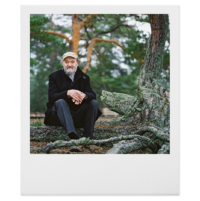
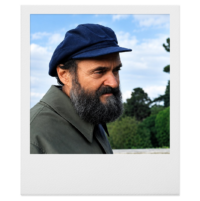
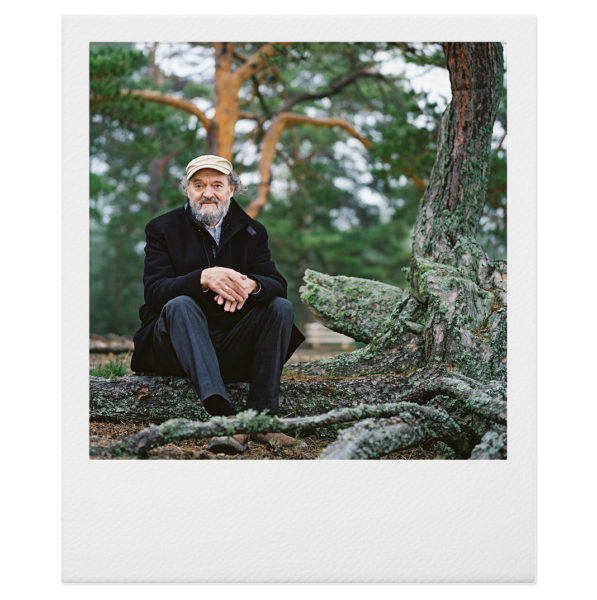
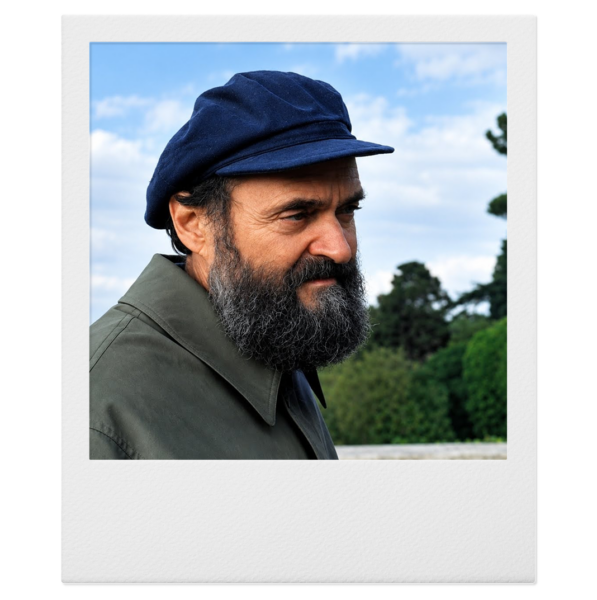
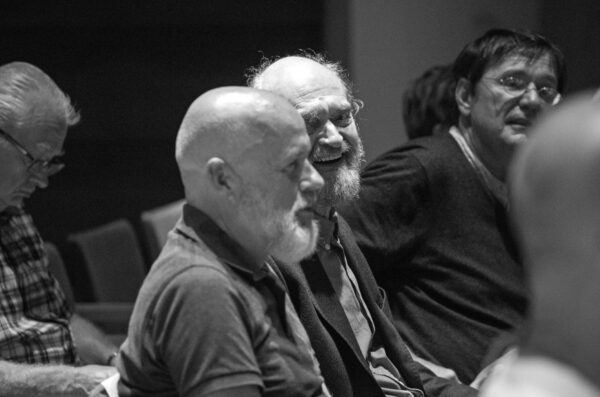
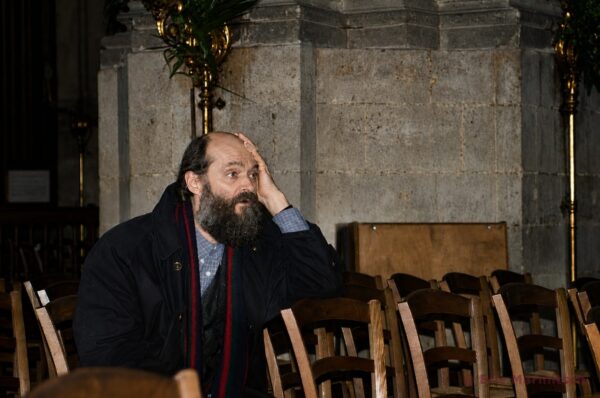
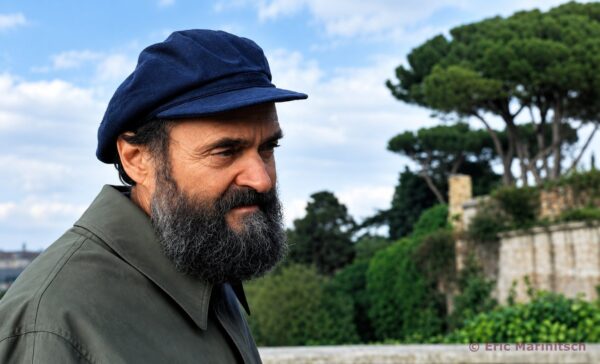
The photographs in the slideshow are by Eric Marinitsch.
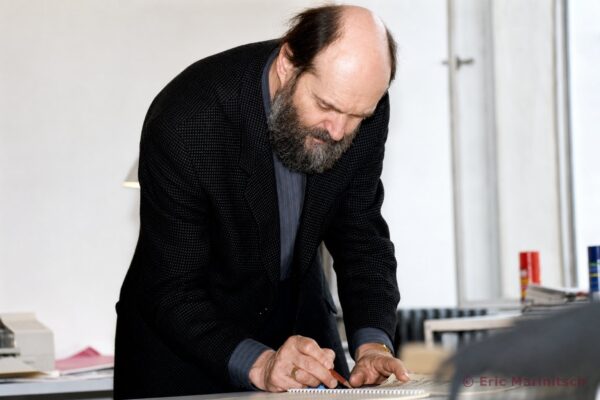
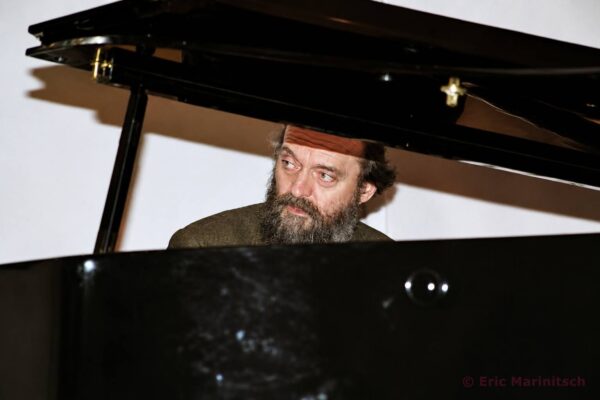
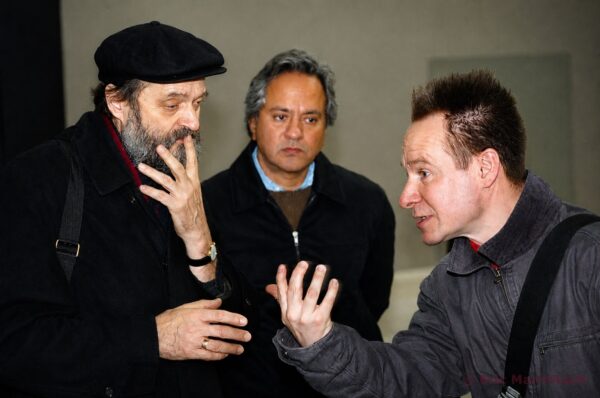
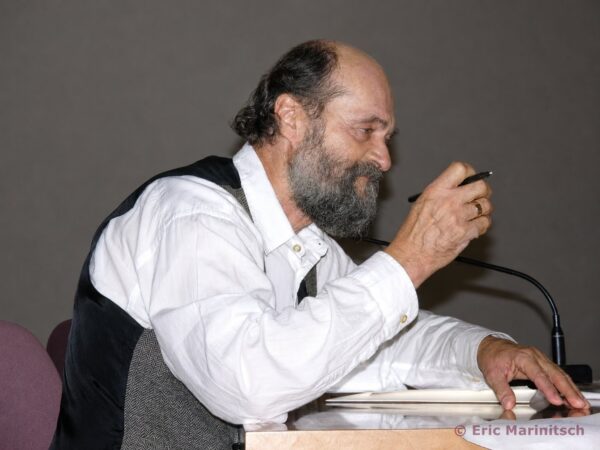
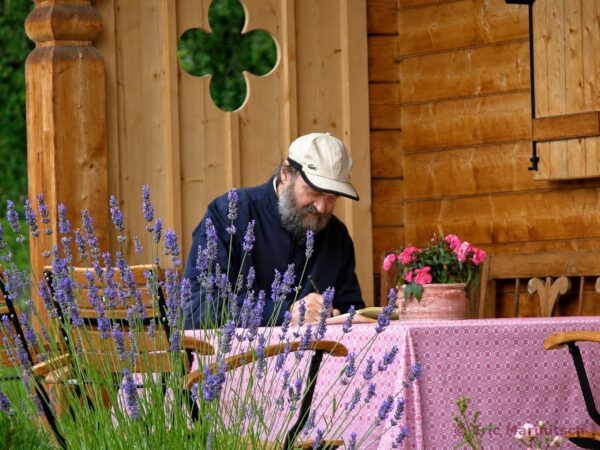
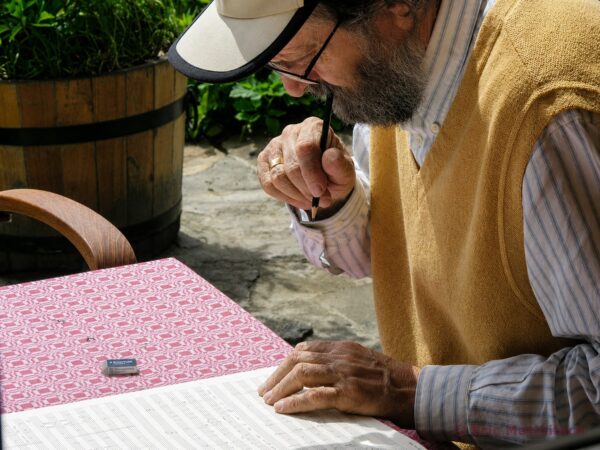
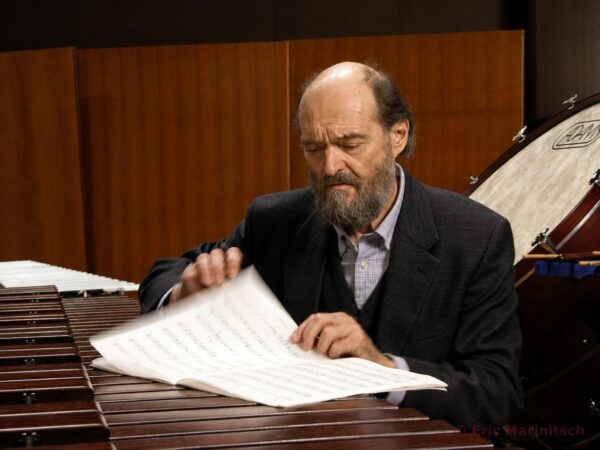
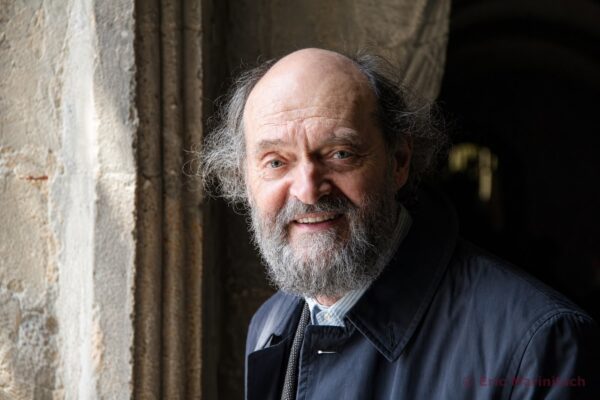
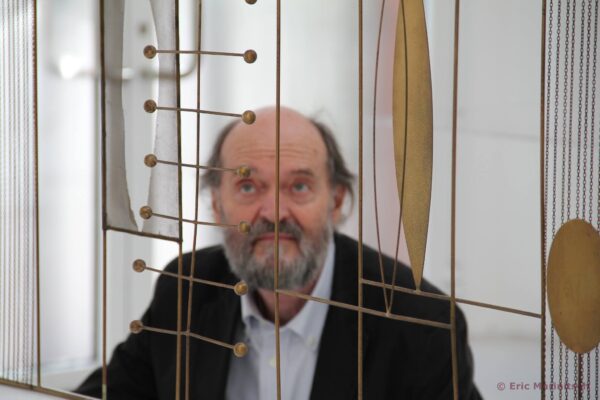
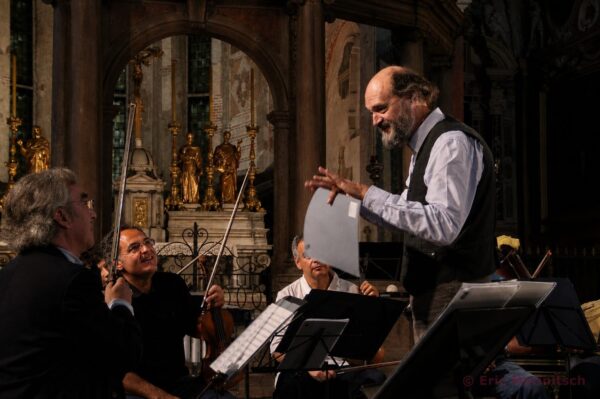
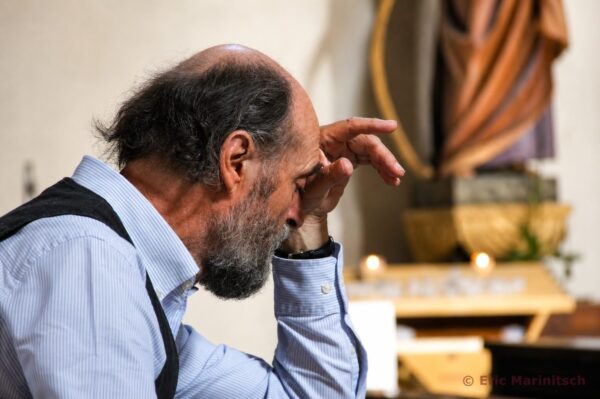
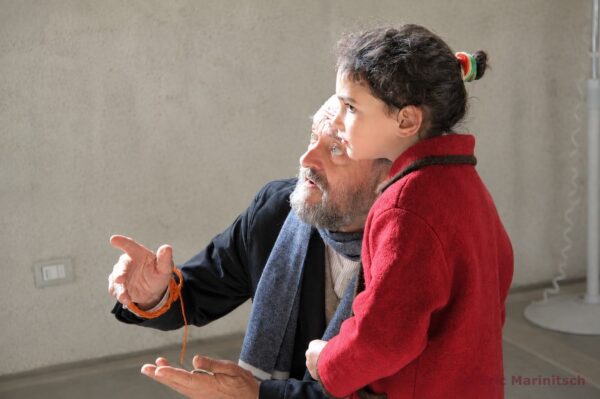
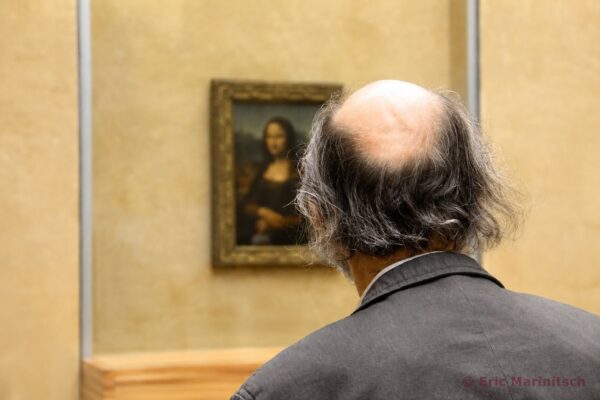
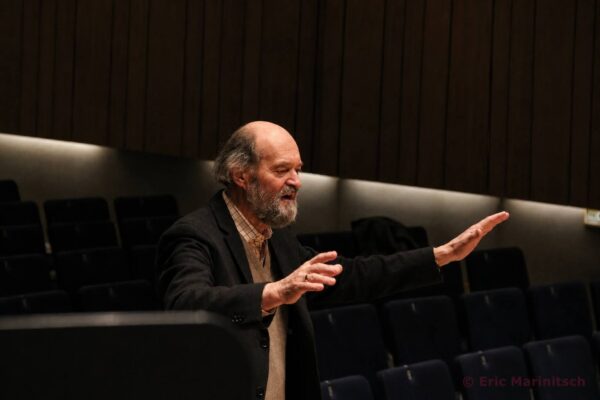
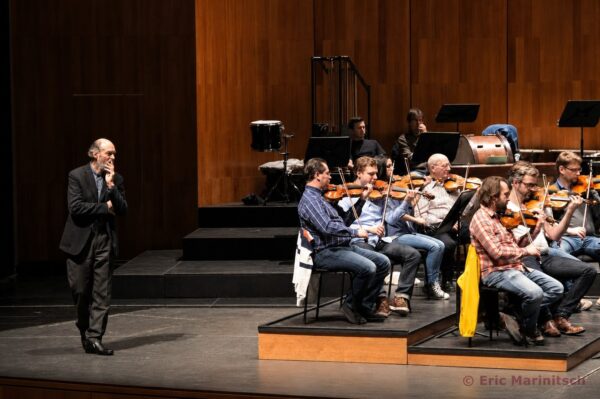
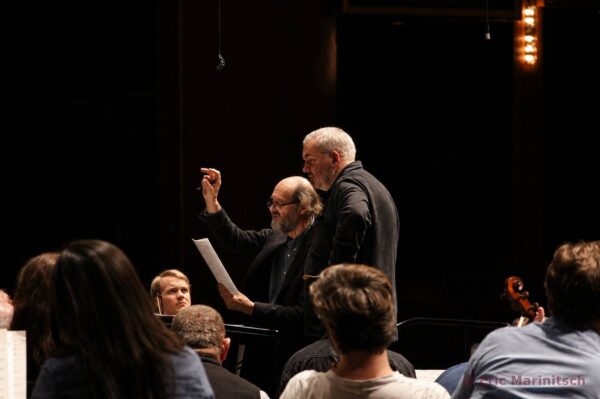
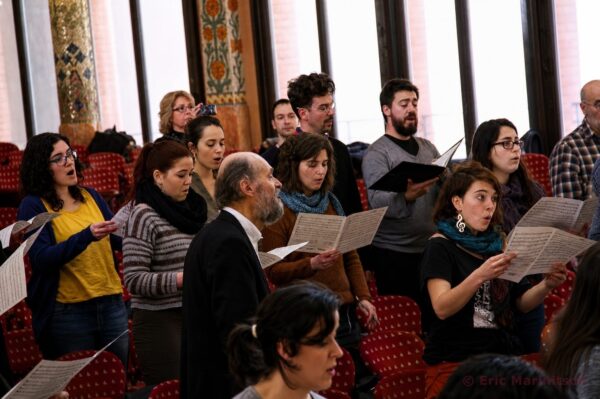
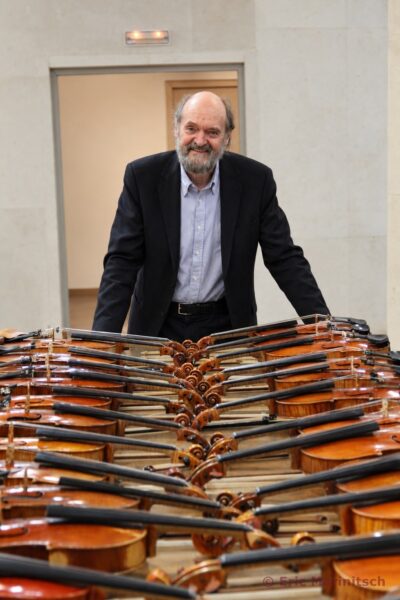
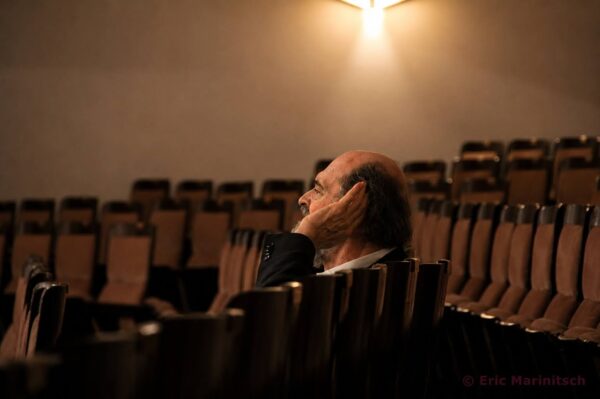
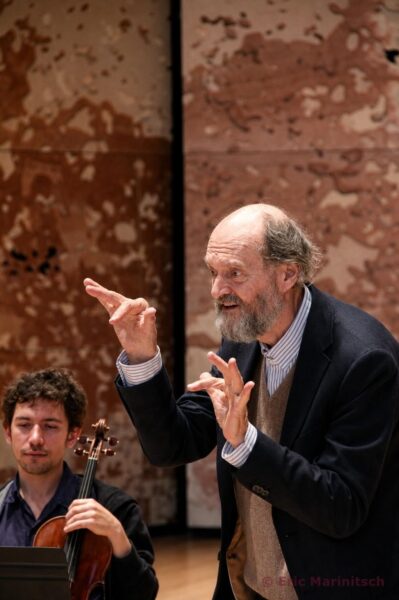
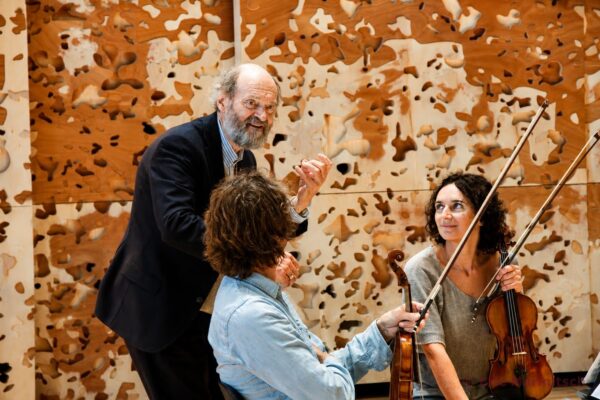
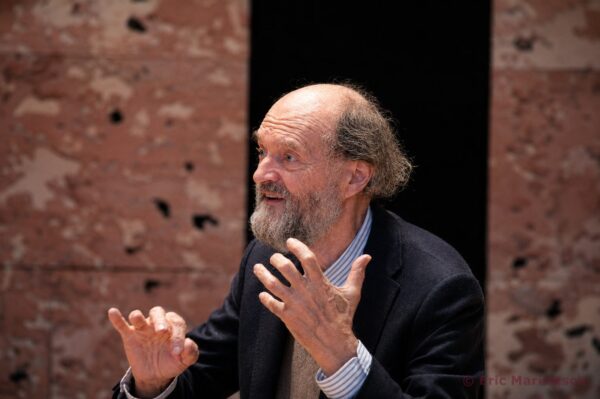
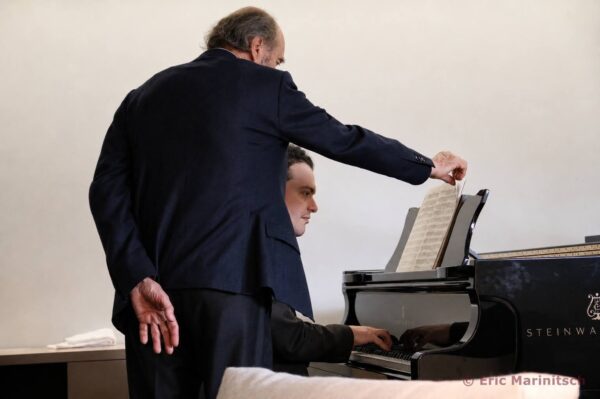
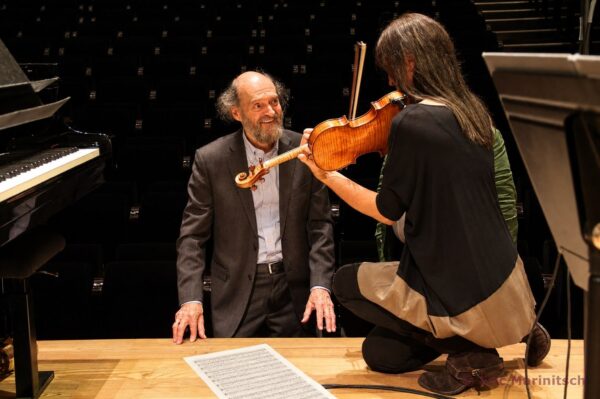
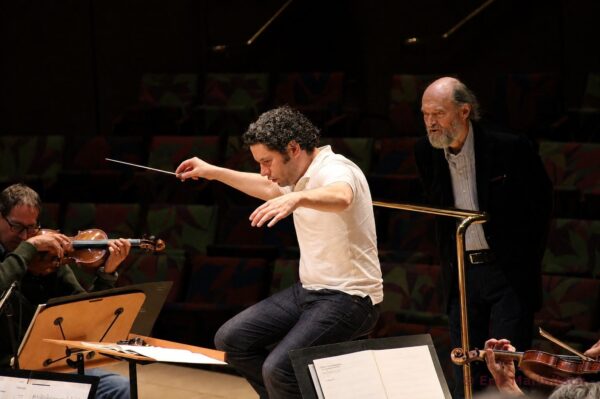
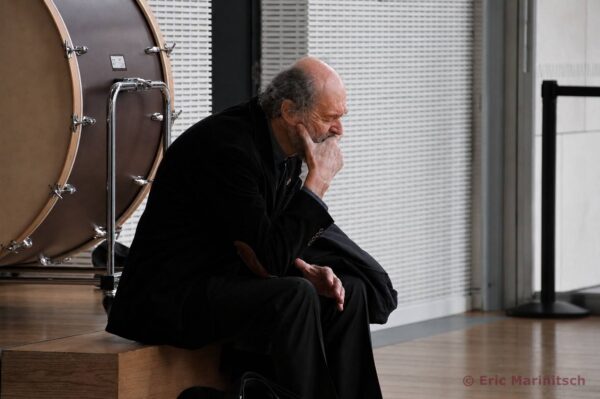
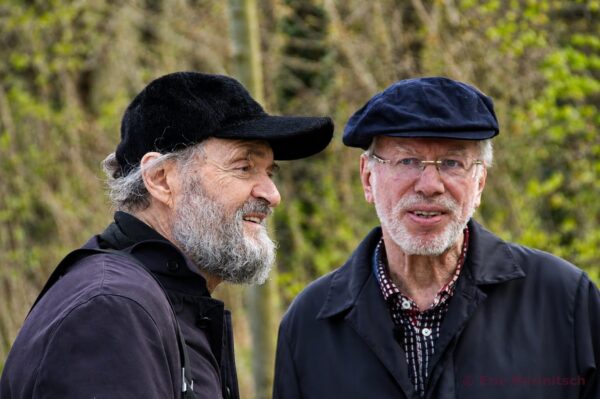
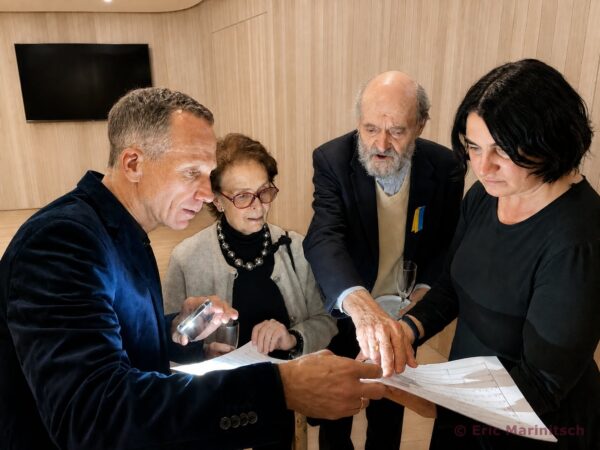
This was the phase of reflection and critical examination. Pärt always responded to his own work with great rigour and self-criticism. Where other composers would be celebrating their success and hoping for further commissions, for Pärt the real test of what he had created was only just beginning.
With a premiere, of course, there came also a reduction in the direct need for coordination with the client who had commissioned the new work. During final rehearsals, there was sometimes a quiet moment in which one or two photos might have been taken – and that during the almost 30 years in which I was permitted to accompany Arvo Pärt to the most important concerts and international events. My work for Arvo Pärt began as his representative at the publishing house, but the boundaries soon blurred and so I was able to be useful to him in the background, in ways that exceeded my proper role at the publishing house but which were entirely supported by Universal Edition. The publisher knew, and still knows, what it means to have a composer like Arvo Pärt on their books.
The years went by – in 2010 the Arvo Pärt Centre was established, in 2018 it moved into a specially built, impressive building in the middle of the forests of Laulasmaa. In my final years with UE and during the subsequent Covid era, the Pärt agendas that I had overseen were slowly transferred to the Arvo Pärt Centre. Arvo Pärt is no longer composing. Together with his wife, Nora, he supports the Centre in making his work academically accessible, documenting it and preserving it for generations to come.
What began with a musical discovery made by a young Viennese student became, over the course of the decades, a story both intense and unexpected. What remains of these encounters is far more than anything the photos may have captured.
Translated from German by Eleanor Updegraff.